DRIVING GUIDE
What "or similar" really means in a Cyprus car hire booking
Hire cars are usually sold by class rather than by model. Here is why the phrase exists, when an exact vehicle is genuinely guaranteed, and how to judge boot space and gearbox from a class description.
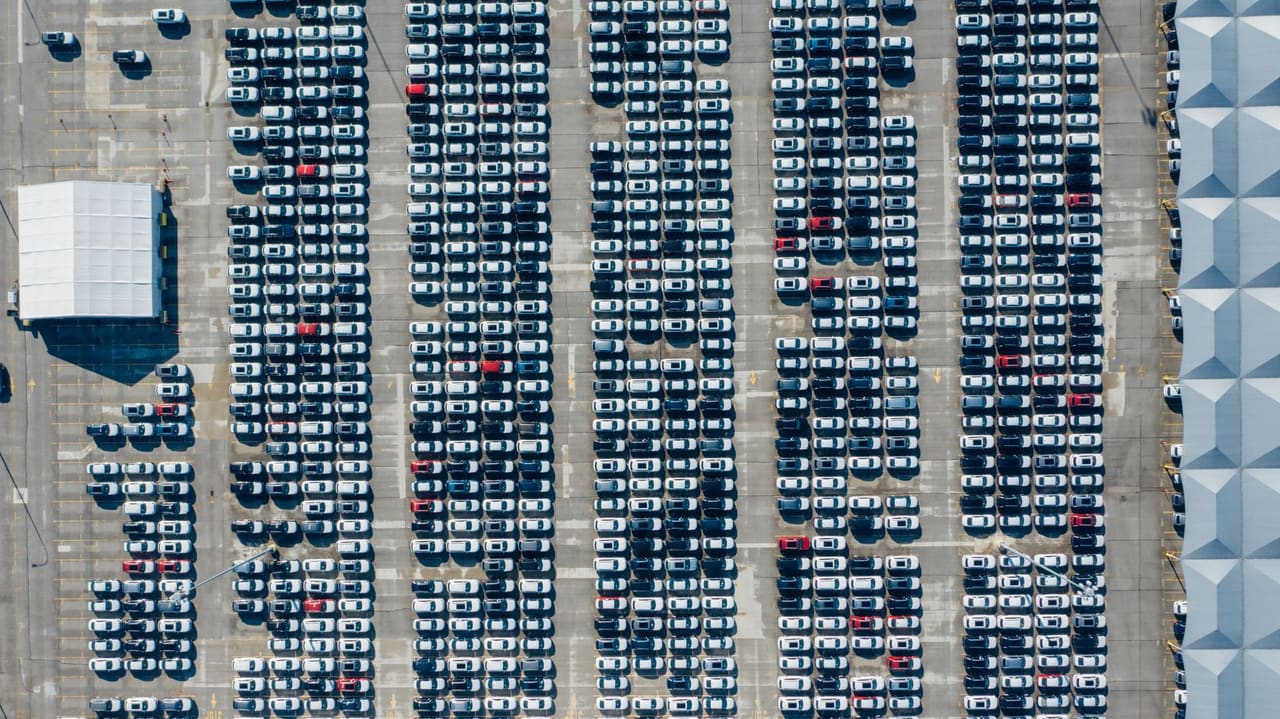
"Or similar" means you are booking a class of car described by an example model, not the exact car in the photograph: the supplier commits to size, seating and general capability rather than to a particular badge. On this marketplace an exact model is only presented as guaranteed when the supplier has actually guaranteed it — otherwise the listing says so. Anything essential, such as an automatic gearbox or real luggage space, should be verified as a written specification, not inferred from a thumbnail.
Anyone who has booked a hire car has seen a familiar model name followed by two small words, and those words change the promise being made. Car hire has traditionally been sold by category rather than by individual vehicle: you reserve a type of car, described by an example, and the supplier commits to giving you something of that type. Understanding that distinction early stops the handover from feeling like a downgrade when it is actually the arrangement working exactly as written.
Why do suppliers sell by class?
The reason is operational rather than evasive. A supplier does not know weeks in advance which specific vehicle will be back from its previous hire, cleaned, serviced and ready on the morning you arrive. Committing to categories lets them keep a promise about size, seating and general capability without gambling on the movements of one registration plate. In exchange, you get availability and flexibility, and you give up the right to insist on a particular badge on the bonnet.
On this marketplace the rule is deliberately stricter than the industry habit. Every published vehicle is its own bookable listing rather than an anonymous slot in a pool, and an exact model is only presented as guaranteed when the supplier has actually guaranteed it. Where that guarantee is not given, the listing says so, and the honest reading of the phrase is that you are booking a class. That transparency is the point: it is better to know which promise you have than to assume the stronger one.
So read the class description rather than the picture. Photographs illustrate a category and are not a portrait of the car waiting for you, which is why the written specification matters more than the image. Seating capacity, the number of doors, the luggage description and the transmission tell you whether the vehicle will actually work for your trip. If any of those is essential rather than preferred, it needs to be confirmed as a specification, not inferred from a thumbnail.
Why is the gearbox the detail to verify?
Transmission is the detail that catches visitors out most often. Manual and automatic vehicles frequently sit in the same size category, and a traveller who has only ever driven an automatic will not enjoy discovering otherwise on an unfamiliar road, on the left, at the end of a long flight. If you need an automatic, treat it as a hard requirement to be verified in the booking rather than a preference to be raised at the desk.
How should you judge luggage space?
Luggage deserves the same honesty. Boot capacity within a single class varies between the models that make it up, and a description of how many cases fit is a guide rather than a measurement of the specific car. If you are travelling with large hold bags, sports equipment, a pushchair or a child seat you intend to keep in the vehicle, size up rather than trusting a tight fit, and think about the back seat as well as the boot.
All of the commercial conditions sit with the supplier, as ever. What you pay in total, what is held as a deposit, the excess that applies, the fuel arrangement, any restriction on mileage and the terms under which you can cancel are defined by the offer you accept and by the supplier's own written agreement. Match the class to the trip first, then read those conditions carefully, and confirm anything you cannot afford to be wrong about directly with the supplier before you book.
Quick answers
Will I get the exact car in the photo? Not necessarily. Photographs illustrate a category and are not a portrait of the car waiting for you; the written specification — seating capacity, doors, luggage description and transmission — is the actual promise. On this marketplace an exact model is only shown as guaranteed when the supplier has genuinely guaranteed it.
How do I make sure I get an automatic? Put it in the booking rather than in a conversation at the counter. Size class says nothing about transmission, so an automatic is something to see written down and keep a copy of. Unfamiliar car, unfamiliar side of the road and the end of a long flight is a poor combination to meet a gearstick you were not expecting.
How reliable are the luggage descriptions? A description of how many cases fit is a guide to the class rather than a measurement of the specific car, since boot capacity varies between the models that make a class up. With large hold bags, sports equipment or a pushchair, size up rather than trusting a tight fit.
Sources and last check
Last checked: 2026-08-19