DRIVING GUIDE
Full-to-full fuel policy explained for Cyprus car hire visitors
How a full-to-full fuel rule works in practice, which other policies you may be offered, and the receipts and photographs that settle a refuelling dispute before it starts.
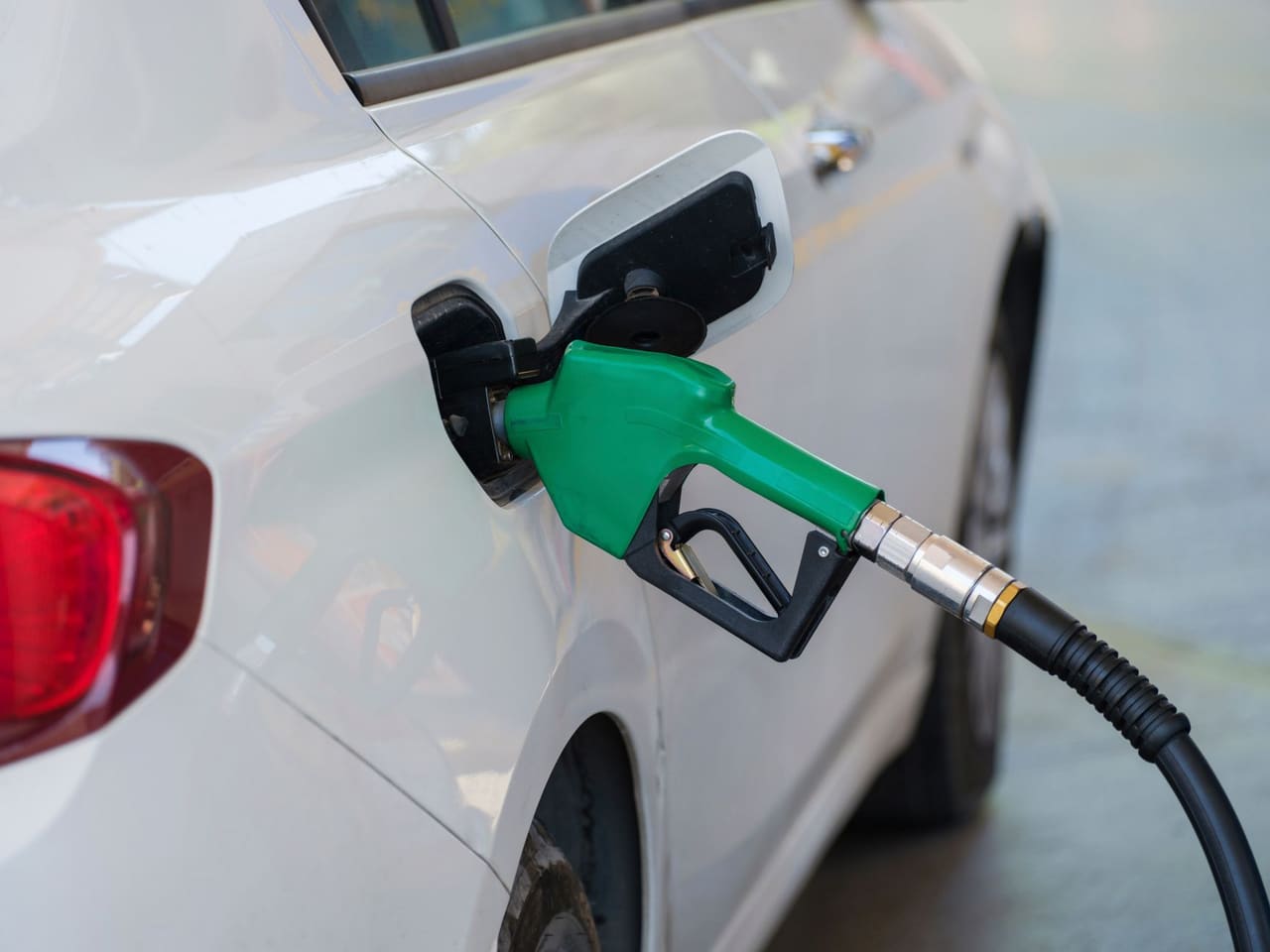
Full-to-full means you collect the vehicle with a full tank and bring it back full: symmetrical, easy to verify, and demanding only one thing — planning a filling-station stop near the return point on the last morning. If the tank is short at return, the supplier normally refuels and charges under the terms you agreed. Keep the fuel receipt and photograph the dashboard after refuelling; the rule that applies to you is written on your own offer.
Fuel is the quietest source of unexpected charges in car hire, and it is almost entirely avoidable. The rule that applies to your booking is written on the offer, and it is one of the few conditions that changes what you physically do on the last morning of a trip. Reading it when you book, rather than when you are already driving towards a Cyprus airport with a flight to catch, is the difference between a two-minute stop and an awkward conversation at the return bay.
How does full-to-full work in practice?
Under a full-to-full arrangement, you collect the vehicle with a full tank and you are expected to bring it back full. Its appeal is that it is symmetrical and easy to verify: both parties can look at the same gauge and agree. Its one demand is planning, because you have to find a filling station near the return point and reach it before you hand the keys over. On the day you leave, that means treating refuelling as a scheduled stop in the itinerary rather than something you will fit in if the traffic is kind.
Other arrangements exist across the industry and you may meet them. Some agreements ask you to return the vehicle at the same level it was collected at, which puts the burden on both sides to record that level accurately at handover. Others involve the supplier providing the fuel under their own pricing arrangement. Each has different consequences for what you do before returning, so the practical answer is always to read which one your agreement names rather than assuming the market has a default.
What happens if you return the car short?
When the tank is short at return, the supplier will normally refuel the vehicle themselves and charge for doing so, and that charge is theirs to calculate under the terms you agreed. There is no universal rate and this guide will not invent one. What you can do is remove the ambiguity: fill the tank properly, do not stop the pump early, and make sure the gauge reads the way the agreement expects before you drive into the return lane.
What evidence should you keep?
Keep the receipt, and keep it accessible. A fuel receipt from a station close to the return point, timed shortly before you handed the vehicle back, is the single most persuasive document in any refuelling dispute. Photograph the dashboard with the ignition on so the gauge and the odometer are both legible, and take that picture after you have refuelled rather than before. If you are returning to an unstaffed location or outside desk hours, that evidence matters more, not less.
A few habits prevent the rest of the trouble. Confirm which fuel the vehicle takes before the first fill, because misfuelling is expensive and is rarely covered by anything. Note the fuel type on the filler cap when you collect the car and take a photograph of it. If the gauge does not appear to match what the paperwork says at collection, get the paperwork corrected before you drive away instead of planning to explain it later.
As with every other variable in a hire agreement, the specifics belong to the supplier. The price you pay in total, the deposit taken, the excess that applies, the exact fuel rule, any limit on mileage and the conditions for cancelling are all shown on the individual offer at the time you book and in the supplier's own terms. Check them, keep a copy, and ask the supplier directly if the fuel wording is not clear enough to act on.
Quick answers
What happens if I return the car with less fuel? They refuel it themselves and bill you under the agreement you signed, at a rate no guide can honestly predict for you. The useful part is that the charge is avoidable rather than unfair: fill it properly on the way back, let the pump finish, and check the gauge against what the agreement asks for before you hand over the keys.
What settles a refuelling dispute? A fuel receipt from a station close to the return point, timed shortly before you handed the vehicle back, plus a photograph of the dashboard with the ignition on so the gauge and odometer are both legible — taken after you refuelled. If you return to an unstaffed location, that evidence matters more, not less.
How do I avoid misfuelling? Confirm which fuel the vehicle takes before the first fill — note the label on the filler cap when you collect the car and photograph it. Misfuelling is expensive and is rarely covered by anything.
Sources and last check
Last checked: 2026-08-19